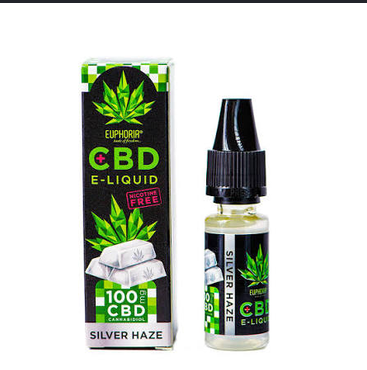
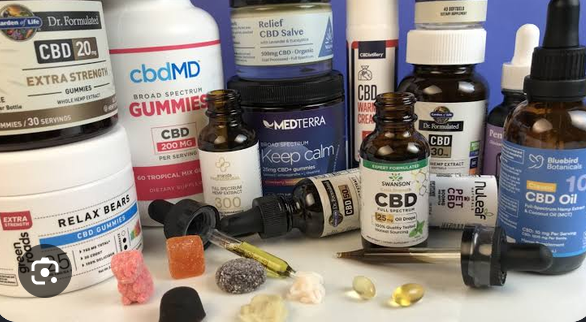
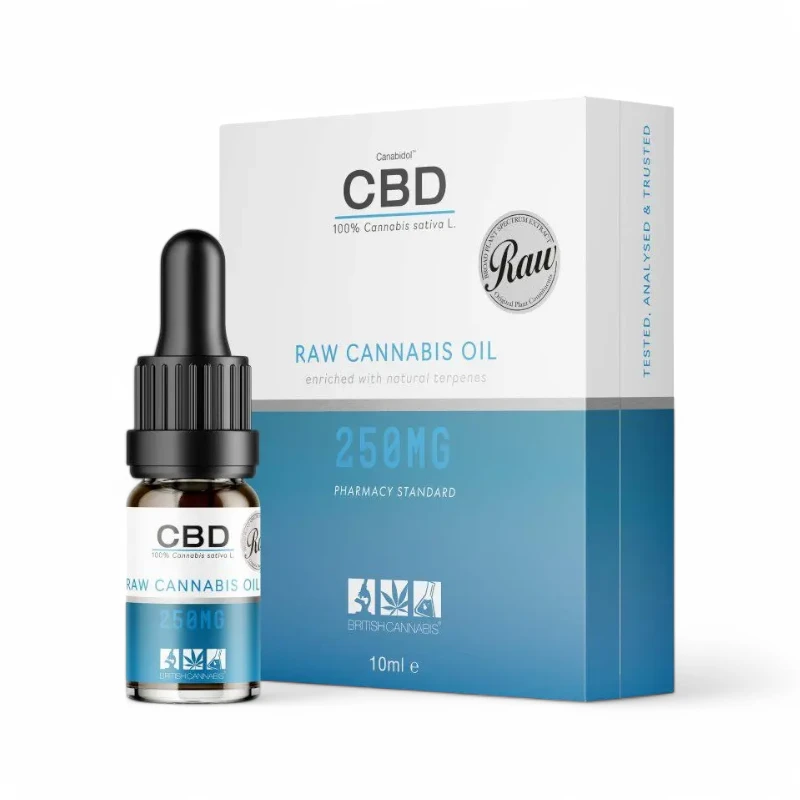
The wellness industry is constantly evolving, with consumers showing increasing interest in natural ingredients and plant-based products. One compound attracting significant attention is cannabidiol, widely known as CBD. Extracted from the cannabis plant, CBD has become a popular ingredient in oils, skincare products, capsules, cosmetics, and other wellness-related products.
Unlike THC, another well-known cannabis compound, CBD does not typically cause a feeling of intoxication. This characteristic has helped it gain popularity among people interested in learning more about cannabis-derived products without experiencing the traditional psychoactive effects.
Understanding the Science Behind CBD
CBD interacts with the human body’s endocannabinoid system, a complex network involved in maintaining internal balance. This system contributes to processes such as mood regulation, sleep, appetite, and pain perception.
Scientists are continuing to investigate how cannabidiol interacts with different receptors and biological pathways. Although research has identified several promising areas, many claims surrounding CBD still require stronger scientific evidence.
Understanding the difference between established findings and early research is essential for anyone interested in CBD.
Why Is CBD Becoming So Popular?
Several factors have contributed to the growing interest in CBD products.
First, consumers are increasingly exploring alternative wellness ingredients. Second, the availability of different CBD formulations has made these products more accessible. Finally, growing scientific interest has encouraged conversations about the possible applications of cannabidiol.
CBD has also attracted attention in the beauty industry, where manufacturers are incorporating it into creams, facial serums, moisturisers, and other skincare formulations.
However, consumers should remember that marketing claims do not necessarily represent proven health benefits.
CBD in the Beauty and Skincare Industry
One of the most interesting developments is the use of CBD in skincare products. Beauty brands have started introducing CBD-infused formulations as part of their wider product collections.
These products are often marketed for their moisturising and soothing properties. CBD is also being studied for its potential interactions with skin-related biological processes.
Common CBD skincare products include:
Facial moisturisers and creams.
CBD-infused body lotions.
Facial serums and oils.
Lip balms and skin-care balms.
Bath and personal-care products.
Consumers should check product ingredients and consider individual skin sensitivities before trying new formulations.
Choosing Quality CBD Products
The quality of CBD products can vary considerably between manufacturers. Therefore, consumers should take time to research products before making a purchase.
Important factors include transparent ingredient lists, clearly stated CBD concentrations, independent laboratory testing, and reliable manufacturing practices.
Third-party laboratory reports can help verify cannabinoid content and identify unwanted contaminants. It is also important to check whether a product complies with the regulations applicable in the country where it is purchased.
Safety and Responsible Consumption
CBD is not suitable for everyone. Possible side effects include fatigue, diarrhoea, appetite changes, and interactions with prescription medicines. It may also affect liver enzymes.
Anyone taking medication should consult a qualified healthcare professional before using CBD. Pregnant and breastfeeding individuals should avoid CBD unless specifically advised by a healthcare professional.
CBD should never be promoted as a guaranteed treatment or a replacement for established medical care.
Conclusion
CBD has developed into an important topic within the modern wellness and beauty industries. Its growing availability, scientific interest, and expanding range of applications have created opportunities for further research and innovation. Nevertheless, responsible consumer education remains essential. By understanding the science, checking product quality, and recognising potential risks, consumers can make more informed decisions about CBD and its place in everyday wellness.
International travel involves many considerations, including transportation, accommodation and local regulations. For people interested in cannabidiol, commonly known as CBD, understanding the legal differences between countries is particularly important.
Although CBD products are available in several markets, their legal status can vary significantly depending on their ingredients, THC content and intended use.
What Is CBD?
CBD is a naturally occurring cannabinoid found in cannabis plants. Unlike THC, it does not generally produce the intoxicating effects associated with cannabis.
CBD is commonly sold in oils, capsules, creams and cosmetic formulations.
However, some products may contain THC or other cannabis-derived substances, which can affect their legal classification.
Why CBD Laws Differ Between Countries
Countries have different approaches to cannabis-related products.
Some distinguish between hemp-derived CBD and products containing higher levels of THC. Others apply strict restrictions to cannabis extracts or products intended for human consumption.
Product classification can also influence whether additional approvals or licences are required.
Understanding Airport and Border Restrictions
Airports and border authorities may apply specific rules to cannabis-derived products.
A CBD product legally purchased in one country may not be permitted in another.
Travellers should not assume that carrying a product across an international border is allowed simply because it is sold legally at home.
Important Travel Considerations
Before travelling with CBD, individuals should:
Check the laws of their destination country.
Review transit-country restrictions.
Understand the product’s complete ingredient list.
Check relevant airline and customs requirements.
Obtain appropriate documentation when legally required.
For prescription cannabidiol medicines, travellers should also seek guidance about medical documentation and import permissions.
CBD and International Regulations
International rules can be complicated because cannabis-derived substances may be treated differently under national laws.
Travellers should consult official government, customs and embassy information rather than relying on general online discussions.
The Importance of Responsible Planning
Planning ahead can help prevent unexpected problems during international travel.
If the legal position is unclear, the safest option is to contact the relevant authorities before departure and avoid carrying the product until its legality is confirmed.
Conclusion
CBD regulations vary widely across international destinations. Travellers should understand local restrictions, ingredient requirements and customs rules before considering carrying CBD products abroad. Responsible planning and official legal information are essential for avoiding unnecessary travel complications.
vCBD oil has become a popular product in the growing natural wellness market. Made using cannabidiol extracted from cannabis plants, these oils are available in different concentrations and formulations. Their popularity has encouraged consumers to learn more about their ingredients, production methods, potential applications, and safety.
Although CBD has attracted considerable scientific interest, understanding the difference between established medical uses and unproven wellness claims is essential.
What Is CBD Oil?
CBD oil is a liquid formulation containing cannabidiol combined with a carrier oil. Common carrier oils include hemp seed oil, coconut-derived MCT oil, and olive oil.
Unlike THC, CBD does not typically produce intoxicating effects. Manufacturers offer different strengths and formulations to meet various consumer preferences.
The actual composition of CBD oil depends on the extraction method, source material, and manufacturing process.
How Is CBD Oil Produced?
CBD oil production generally involves extracting cannabidiol from cannabis plant material and combining the resulting extract with a suitable carrier oil.
Manufacturers may use different extraction technologies, including carbon dioxide-based methods and ethanol extraction.
After extraction, responsible manufacturers test their products to check cannabinoid concentrations and identify possible contaminants. These quality checks are important because product composition can vary significantly between brands.
Potential Applications of CBD Oil
CBD oil is attracting attention in several areas of scientific research.
Medical Research: Prescription cannabidiol has an established role in treating certain rare forms of epilepsy.
Relaxation: Some people use CBD products as part of their personal wellness routines, although evidence supporting general relaxation claims remains limited.
Sleep Research: Scientists are investigating possible relationships between CBD and sleep-related processes. More clinical research is needed to establish effectiveness.
Pain Research: Researchers are examining whether CBD could influence biological processes associated with pain and inflammation. Its effectiveness as a standalone treatment for different pain conditions remains uncertain.
Different Types of CBD Oil
Consumers may encounter three main categories:
Full-Spectrum CBD: Contains CBD alongside other naturally occurring cannabis compounds and potentially small amounts of THC.
Broad-Spectrum CBD: Contains multiple cannabis compounds but is generally formulated to remove THC.
CBD Isolate: Contains highly purified cannabidiol without the other cannabinoids.
Understanding these differences helps consumers evaluate product labels and ingredients.
How to Identify Quality CBD Oil
Choosing a CBD oil requires careful attention to manufacturing standards and product transparency.
Consider these important factors:
Check the amount of CBD per bottle and serving.
Review the complete ingredient list.
Look for independent laboratory certificates.
Check THC content and applicable legal limits.
Research the manufacturer’s reputation.
Avoid products that promise guaranteed cures or exaggerated health benefits.
Possible Side Effects
CBD may cause tiredness, diarrhoea, and changes in appetite. It can also interact with certain prescription medicines and affect liver function.
Anyone taking medication or managing a health condition should consult a qualified healthcare professional before using CBD. Pregnant and breastfeeding individuals should avoid CBD because its safety has not been established.
Conclusion
CBD oil continues to attract attention as research into cannabidiol develops. Although certain prescription applications have demonstrated medical benefits, many commercial wellness claims require stronger scientific evidence. Understanding product formulations, laboratory testing, and potential side effects can help consumers approach CBD oil with realistic expectations and make responsible decisions.
The cannabidiol industry has grown significantly as more consumers become interested in hemp-derived products. CBD, commonly known as cannabidiol, is now available in different forms, including oils, capsules, creams and cosmetic products.
As the market expands, consumer awareness has become increasingly important. Understanding product information, safety considerations and scientific evidence can help people make informed decisions.
Understanding CBD Products
CBD is a naturally occurring compound found in cannabis plants. Unlike THC, it does not produce the typical intoxicating effects associated with cannabis.
However, CBD products are not all identical. They can differ in concentration, ingredients, extraction methods and manufacturing quality.
Understanding these differences is an important first step when researching CBD.
Why Product Information Matters
Product labels provide important information about ingredients, quantities and manufacturer details.
Consumers should carefully examine product descriptions instead of relying exclusively on advertisements or promotional claims.
Independent laboratory testing can also provide useful information about cannabinoid content and certain contaminants.
Recognising Misleading Marketing
Some CBD advertisements make exaggerated claims about health benefits.
Consumers should be cautious of products promoted as guaranteed solutions for anxiety, pain, sleep problems or other medical conditions.
Although prescription cannabidiol has established uses for certain forms of epilepsy, many other advertised benefits require additional scientific investigation.
Important Safety Considerations
CBD may cause side effects, including tiredness, diarrhoea and appetite changes.
It can also interact with prescription medicines. People with existing health conditions should consult a healthcare professional before considering CBD.
Consumers should also check whether products comply with local laws.
It is also important to distinguish between scientific evidence and personal testimonials.
Conclusion
Consumer awareness plays an important role in the growing CBD industry. By understanding product labels, researching manufacturers and recognising exaggerated claims, consumers can make more informed decisions. Reliable information and responsible purchasing practices should remain priorities when exploring cannabidiol products.
CBD has become a popular topic in the human wellness market, but interest in cannabidiol products for animals has also increased. Some pet owners are exploring CBD products because they want to learn more about their possible applications in animal care.
Before considering these products, it is important to understand the available research, safety concerns and veterinary guidance.
What Is CBD for Pets?
CBD is a compound extracted from cannabis plants. Products marketed for animals may include oils, capsules and specially formulated pet supplements.
These products are different from ordinary human CBD products because animals have different biological systems and may respond differently to certain ingredients.
Why Are Pet Owners Interested?
Some pet owners have questions about whether CBD could have applications related to animal comfort, behaviour and general well-being.
Researchers are beginning to investigate how cannabinoids interact with animal biological systems.
However, scientific evidence remains limited, and CBD has not been established as a general treatment for common pet health problems.
CBD Products Available for Animals
Products marketed for pets include:
CBD oils formulated for animals.
Pet-specific capsules.
CBD-infused animal supplements.
Specially labelled pet wellness products.
Product formulations and ingredient concentrations can vary significantly.
Understanding Pet Safety
Animal safety is particularly important when considering cannabis-derived products.
THC can be toxic to pets, especially dogs. Some human CBD products may also contain ingredients that are unsafe for animals, including certain sweeteners.
CBD itself may cause unwanted effects and can interact with veterinary medications.
Pet owners should never give their animals human CBD products without veterinary guidance.
The Importance of Veterinary Advice
A veterinarian can help evaluate an animal’s health condition and explain available treatment options.
Pet owners should avoid replacing prescribed veterinary treatments with unverified CBD products.
They should also check the legal status and quality standards of animal CBD products in their country.
Future Research on CBD and Animals
Researchers are continuing to investigate the potential effects of cannabinoids in veterinary medicine.
More controlled studies are needed to establish appropriate applications, safety profiles and possible long-term effects.
Conclusion
CBD products for pets are receiving increasing attention, but scientific evidence remains limited. Responsible pet care requires veterinary guidance, reliable product information and careful consideration of animal safety.
Quality sleep is essential for maintaining physical health, emotional balance, and everyday productivity. However, busy lifestyles, irregular schedules, and daily pressures can make it difficult for many people to maintain healthy sleeping habits. As interest in wellness products continues to grow, cannabidiol, commonly known as CBD, has attracted attention as a subject of sleep-related research.
CBD is a naturally occurring compound extracted from the cannabis plant. Unlike THC, it does not produce the intoxicating high commonly associated with cannabis. Researchers are investigating how CBD interacts with biological systems that influence sleep, mood, and other important functions.
Understanding the Connection Between CBD and Sleep
Sleep is controlled by several biological processes, including the body’s internal clock and nervous system activity. The endocannabinoid system also participates in regulating certain processes associated with sleep and wakefulness.
Because CBD interacts with this system and other biological targets, researchers are interested in understanding whether it could influence sleep-related conditions.
However, current scientific evidence is not sufficient to establish CBD as an effective treatment for insomnia or other sleep disorders.
Why Are People Interested in CBD?
CBD has become a popular subject in the wellness market because consumers are exploring different approaches to relaxation and personal wellbeing.
Some people are interested in CBD products as part of their evening routines. Available formulations include oils, capsules, gummies, and other products.
Nevertheless, individual experiences can differ, and CBD should not be considered a guaranteed solution for sleep difficulties.
Different CBD Products Available
The CBD market offers several product formats, each with different characteristics.
CBD Oil: A liquid formulation containing cannabidiol and carrier oil.
CBD Capsules: Provide a convenient, measured serving.
CBD Gummies: Offer a flavoured alternative.
CBD Softgels: Provide CBD in an easy-to-swallow format.
CBD Topicals: Designed for external application rather than sleep treatment.
Consumers should carefully examine the ingredients, concentration, and instructions provided with each product.
Healthy Sleep Habits Still Matter
Regardless of interest in CBD, maintaining healthy sleep habits remains important.
A consistent bedtime, comfortable sleeping environment, reduced evening screen exposure, and limited caffeine consumption can support better sleep routines.
People experiencing persistent sleep difficulties should consider discussing their symptoms with a qualified healthcare professional to identify possible underlying causes.
CBD Safety and Possible Side Effects
CBD is not completely risk-free. Potential side effects include fatigue, diarrhoea, and changes in appetite. It may also interact with prescription medicines and affect liver function.
People taking medication should seek professional medical advice before considering CBD. Pregnant and breastfeeding individuals should avoid CBD unless advised otherwise by a qualified healthcare professional.
CBD should never replace prescribed treatment without medical guidance.
The Future of CBD Sleep Research
Scientific interest in CBD and sleep continues to develop. Future research may help explain whether CBD has meaningful effects on sleep quality, how different formulations behave, and which individuals might benefit.
Larger and better-controlled clinical studies will be necessary to establish reliable conclusions.
Conclusion
CBD has become an interesting subject in conversations about sleep and modern wellness. Although researchers are investigating its possible effects on sleep-related processes, its effectiveness remains uncertain. Healthy sleeping habits, professional guidance, and reliable scientific information remain essential when making decisions about sleep health.
vThe beauty industry regularly introduces new ingredients designed to meet changing consumer interests. One ingredient receiving increasing attention is cannabidiol, commonly known as CBD. Today, CBD can be found in various cosmetic formulations, including facial creams, moisturisers, serums and body lotions.
What Is CBD Skincare?
CBD skincare refers to cosmetic products that contain cannabidiol as an ingredient. CBD is extracted from cannabis plants and incorporated into formulations alongside other cosmetic ingredients.
Unlike THC, CBD does not produce an intoxicating effect. Its inclusion in skincare products has attracted interest from cosmetic manufacturers and beauty enthusiasts.
Why Are Beauty Brands Interested in CBD?
Researchers are investigating the antioxidant and anti-inflammatory properties of cannabidiol. These properties have encouraged interest in its possible applications in cosmetic science.
However, evidence supporting specific skincare benefits remains limited. More clinical research is needed to establish whether CBD provides meaningful advantages over conventional skincare ingredients.
Popular CBD Beauty Products
CBD is available in different cosmetic formats, such as:
Facial Moisturisers: Designed to hydrate the skin.
Beauty Serums: Formulated with multiple skincare ingredients.
Body Lotions: Used for everyday skin moisturising.
Facial Oils: Combined with oils and other cosmetic compounds.
Lip Balms: Designed to protect and soften the lips.
The formulation and quality of these products can vary considerably.
How to Choose CBD Skincare
Consumers should examine product labels carefully before purchasing CBD cosmetics.
Important considerations include ingredient transparency, manufacturer reputation, product testing and compliance with cosmetic regulations.
Performing a patch test before using a new skincare product can also help identify possible irritation or allergic reactions.
CBD and the Future of Beauty
The beauty industry continues to explore plant-derived ingredients and innovative formulations. CBD may remain an interesting area of cosmetic research as scientists investigate its interactions with skin cells.
Future studies could help establish which formulations offer genuine benefits and which claims lack sufficient scientific support.
Conclusion
CBD skincare represents an emerging trend in the beauty industry. Although cannabidiol has attracted scientific interest, its specific cosmetic benefits require further investigation. Consumers should focus on product quality, reliable information and realistic expectations when exploring CBD-based beauty products.
The beauty industry is constantly introducing new ingredients and formulations designed to attract consumers. One ingredient receiving considerable attention is cannabidiol, commonly known as CBD. Extracted from cannabis plants, CBD is now included in various skincare products, including moisturisers, facial oils, creams and beauty lotions.
Why Is CBD Appearing in Skincare?
CBD has attracted interest because researchers are investigating its antioxidant and anti-inflammatory properties. These characteristics have encouraged cosmetic brands to explore its potential applications in skincare formulations.
CBD skincare products are often marketed towards people interested in modern beauty routines and plant-derived ingredients.
However, scientific evidence supporting specific skincare benefits remains limited. More clinical research is needed before strong claims can be made about its effectiveness.
Popular CBD Beauty Products
CBD is available in different cosmetic formulations.
CBD Face Creams: Designed to moisturise the skin.
CBD Body Lotions: Used as part of everyday skincare routines.
CBD Facial Oils: Combined with other cosmetic ingredients.
CBD Lip Balms: Designed to soften and moisturise lips.
CBD Beauty Serums: Marketed as specialised skincare products.
Each formulation may contain different ingredients and concentrations.
Potential Skincare Applications
Researchers are investigating how CBD interacts with skin cells and whether it may influence processes associated with irritation and inflammation.
Some early research is promising, but evidence from large, well-designed human studies is still limited.
Consumers should avoid assuming that a CBD beauty product can treat skin diseases or replace prescribed dermatological treatments.
What Should Consumers Look For?
When buying CBD skincare products, consumers should check the ingredient list, manufacturing quality and product testing information.
It is also sensible to perform a patch test before applying a new cosmetic product more widely. People with sensitive skin or existing skin conditions should seek professional advice when necessary.
The Future of CBD Beauty
CBD continues to attract interest from cosmetic manufacturers. As research develops, the industry may gain a better understanding of how cannabidiol performs in different skincare formulations.
Product transparency, responsible marketing and regulatory compliance will be important for maintaining consumer confidence.
Conclusion
CBD has become an interesting addition to the modern beauty industry. Although its potential skincare applications deserve further investigation, consumers should make purchasing decisions based on reliable evidence rather than exaggerated advertising claims.
I have spent several years working with portable electronic heating devices, comparing their internal construction, battery systems, and manufacturing quality for customers interested in specialised vaporizer equipment. My work has involved examining products from different manufacturers and paying particular attention to the small engineering decisions that influence maintenance and long-term ownership. I have noticed that many buyers spend considerable time comparing exterior designs but overlook details such as chamber materials, charging arrangements, and replacement components. I prefer taking a practical approach because understanding how a device is constructed provides a much clearer picture of its features and limitations.
What Makes Different Vaporizer Designs Unique
During product inspections, I usually begin with the internal heating chamber because it is one of the main components in a dry herb vaporizer. Manufacturers use different materials, including ceramic and stainless steel, depending on their engineering requirements. Each material has distinct thermal properties, and the final design depends on factors such as chamber dimensions and heating element placement. I always examine the manufacturer’s specifications before making assumptions about construction quality.
Heating technology is another major difference between available products. Conduction systems transfer heat through direct contact with a heated surface, while convection systems use heated air passing through an internal chamber. Some manufacturers combine both approaches in hybrid designs. I find this distinction useful because the heating arrangement influences how manufacturers engineer the surrounding components.
Temperature regulation deserves careful attention as well. Some devices use simple preset controls, while others provide digital displays and adjustable settings. A model advertising one-degree increments may appear particularly precise, although the displayed temperature does not necessarily represent the temperature at every point inside the chamber. I prefer products with clear technical explanations rather than relying on impressive numbers printed in promotional material.
Airflow construction is another detail I examine. The internal channels must fit around the heating chamber and other electronic components without creating unnecessary maintenance difficulties. I have inspected compact models where accessing removable screens required more effort than expected. That experience made me pay closer attention to service access during future product comparisons.
Comparing Manufacturers and Available Product Options
I usually begin product research by reviewing manufacturer documentation and identifying the specifications that matter most. Customers interested in a dry herb vaporizer can examine specialist retailers such as Sydney Vaporizers to review product categories and available manufacturer information. I find specialist retailers useful when comparing different product designs and checking which accessories are listed with individual models. I still recommend confirming technical details directly through the relevant manufacturer’s documentation.
Product descriptions can reveal quite a lot about the manufacturer’s approach to customer information. I look for clearly stated dimensions, battery capacity, charging requirements, materials, and warranty conditions. A product listing that provides these details makes comparison much easier. If important specifications are missing, I avoid assuming that the device includes features that have not been documented.
I remember examining a compact electronic model last spring that appeared considerably larger in its promotional photographs. Its actual dimensions were close to 10 centimetres in height, which changed my impression of its physical construction. I now check measurements before comparing products because photographs can create unrealistic expectations. A few simple measurements can prevent an unnecessary purchasing mistake.
Manufacturer reputation is another factor I consider, although I do not rely on brand recognition alone. I examine the availability of customer support, replacement components, and product documentation. Some smaller manufacturers provide detailed technical information, while larger companies may offer a wider accessory range. I judge each product on the information available rather than assuming that company size guarantees quality.
Portable Models and Their Internal Arrangements
Portable vaporizer designs require manufacturers to fit several components into a relatively small housing. The battery, heating element, control board, and chamber all compete for limited internal space. I examine how these parts are arranged because compact dimensions can create different engineering challenges. A smaller exterior does not automatically indicate simpler construction.
Battery placement can influence the overall dimensions and weight of a device. Some products use integrated rechargeable batteries, while others feature removable battery arrangements. I consider this distinction important because replacement options can vary considerably between designs. Manufacturer documentation should explain whether battery servicing is intended for the owner or requires professional assistance.
Physical controls also deserve attention. Some models use two or three buttons, while others rely on a single multifunction control. I prefer interfaces that are clearly explained in the operating instructions. Complicated controls can make an otherwise well-designed electronic product unnecessarily confusing.
Weight provides another useful comparison point. A portable device weighing approximately 150 grams has different handling characteristics from a larger model weighing 300 grams or more. However, I never use weight as the only measure of construction quality. Housing materials, battery capacity, and component assembly all deserve consideration.
Battery Capacity and Charging Technology
Battery specifications are among the first technical details I compare when examining portable electronics. Manufacturers commonly express battery capacity in milliampere-hours, abbreviated as mAh. This figure describes electrical storage capacity, but it cannot independently establish how long a device will operate. Heating power, temperature settings, battery condition, and environmental conditions also affect energy consumption.
Charging connections have changed considerably over recent years. USB-C is widely used in modern consumer electronics, although specialised products may still feature proprietary charging arrangements. I generally prefer clearly documented charging systems because compatible accessories are easier to identify. The manufacturer’s instructions should always determine which charging adapters are suitable.
Battery protection is another important engineering consideration. Electronic products may include protective circuits designed to manage excessive charging, electrical discharge, or other operating faults. The exact protection features depend on the individual manufacturer and model. I would rather review documented safety information than assume every rechargeable device offers the same protection.
Storage conditions can also affect battery life. Excessive heat, moisture, and physical damage can create problems for rechargeable electronic equipment. I recommend following the manufacturer’s storage instructions and avoiding direct sunlight or hot vehicles. A swollen battery or one that becomes unusually hot should never be ignored.
Why Product Maintenance Should Influence Your Choice
I have found that maintenance arrangements can influence the ownership experience more than many buyers initially expect. Removable screens, chamber sections, and mouthpiece components may require periodic inspection depending on the manufacturer’s design. I always check whether these parts can be accessed without dismantling sealed electronic sections. Clear maintenance instructions make routine ownership easier.
Cleaning requirements vary according to the materials and construction of individual components. I recommend following the manufacturer’s approved cleaning procedures instead of applying the same method to every product. Before any permitted cleaning, I make sure the device is switched off and completely cool. Electrical connections and battery compartments should remain protected from liquids.
Replacement accessories are another factor I investigate. Screens, seals, mouthpieces, and other removable components may eventually need replacement depending on the design and maintenance history. I once encountered an older electronic product whose owner struggled to find a compatible replacement mouthpiece. The main unit was still functional, but limited accessory availability made continued ownership inconvenient.
I also examine whether the manufacturer provides replacement instructions and identifies authorised service arrangements. Some components are designed for straightforward replacement, while others require professional attention. Attempting to open sealed electronic assemblies can damage internal connections or affect warranty coverage. I prefer manufacturers that explain these limitations clearly.
Materials, Durability, and Manufacturing Standards
External housing materials influence the physical construction of electronic equipment. Aluminium, stainless steel, and different polymers are used across various product categories. Each material offers different characteristics in terms of weight, strength, and manufacturing flexibility. I examine the quality of the finished housing rather than assuming that a particular material guarantees durability.
Buttons and charging ports often reveal useful details during a physical inspection. I check whether buttons sit evenly within the housing and whether the charging connection feels properly secured. Loose fittings can become inconvenient after repeated use. These small details deserve attention because they are part of the everyday physical design.
Manufacturing consistency is another consideration. Two products from the same model range should have similar external fitting and component placement. I look for obvious assembly issues, including uneven panel gaps and poorly secured covers. Although an external inspection cannot reveal every internal problem, it can help identify visible construction concerns.
Warranty coverage provides additional information about the manufacturer’s support arrangements. I check whether the battery, electronics, and accessories have separate coverage conditions. Some manufacturers also specify procedures for handling defective components. Reading these terms before purchasing can prevent confusion later.
Responsible Research Before Making a Decision
I believe product research should include more than technical comparisons. A heating device’s engineering does not establish that inhaling heated plant material is harmless. Potential respiratory risks remain relevant, and exposure may depend on the material, contaminants, and individual health circumstances. Anyone considering inhaled products should consult reliable medical information and seek professional advice where appropriate.
Legal requirements also deserve attention before purchasing or possessing specialised equipment. Regulations concerning cannabis, medicinal cannabis, and related accessories vary between countries and jurisdictions. I would never assume that an item advertised online can automatically be imported or legally possessed everywhere. Checking applicable local requirements is a sensible part of responsible purchasing research.
Independent customer reviews can provide useful information about product construction and support experiences. I pay particular attention to repeated complaints involving charging ports, battery problems, and replacement components. A single negative review may describe an isolated experience, so I look for recurring issues across several independent sources. I also distinguish personal opinions from verifiable technical information.
My approach to evaluating electronic vaporizer products has become more focused on practical details over time. I examine the heating system, internal materials, battery arrangements, maintenance requirements, and manufacturer support before forming an opinion. I also consider legal restrictions and potential health implications rather than treating technical specifications as the only purchasing factors. Careful research provides a more realistic understanding of what a particular device offers and what its ownership may involve.